
Description
NEW DECEMBER 2025
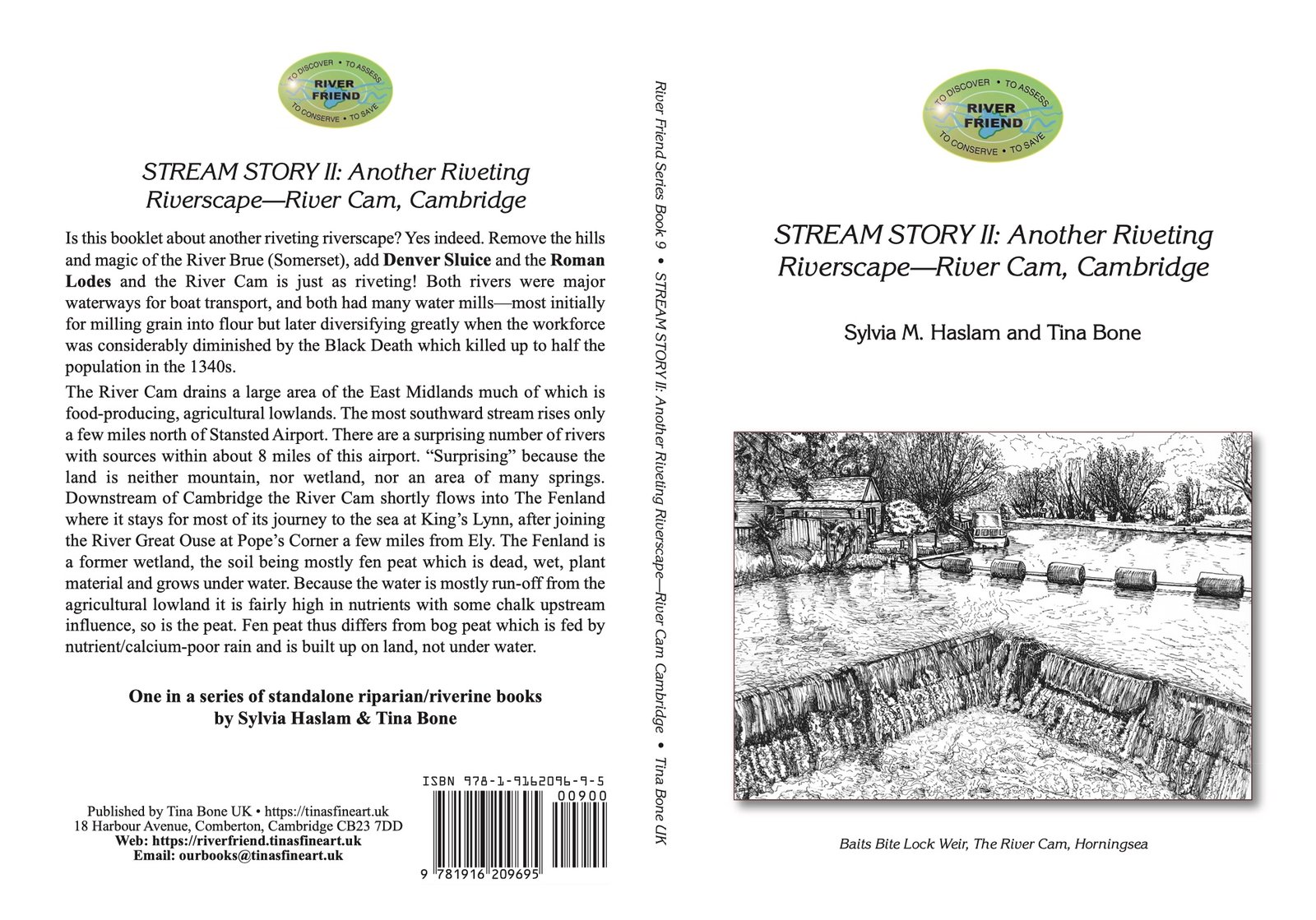
STREAM STORY II: Another Riveting Riverscape—River Cam, Cambridge • River Friend Series BOOK 9 • ISBN 978-1-9162096-9-5 • By Sylvia M. Haslam & Tina Bone
A5 Paperback 88pp. (82 Illustrations)
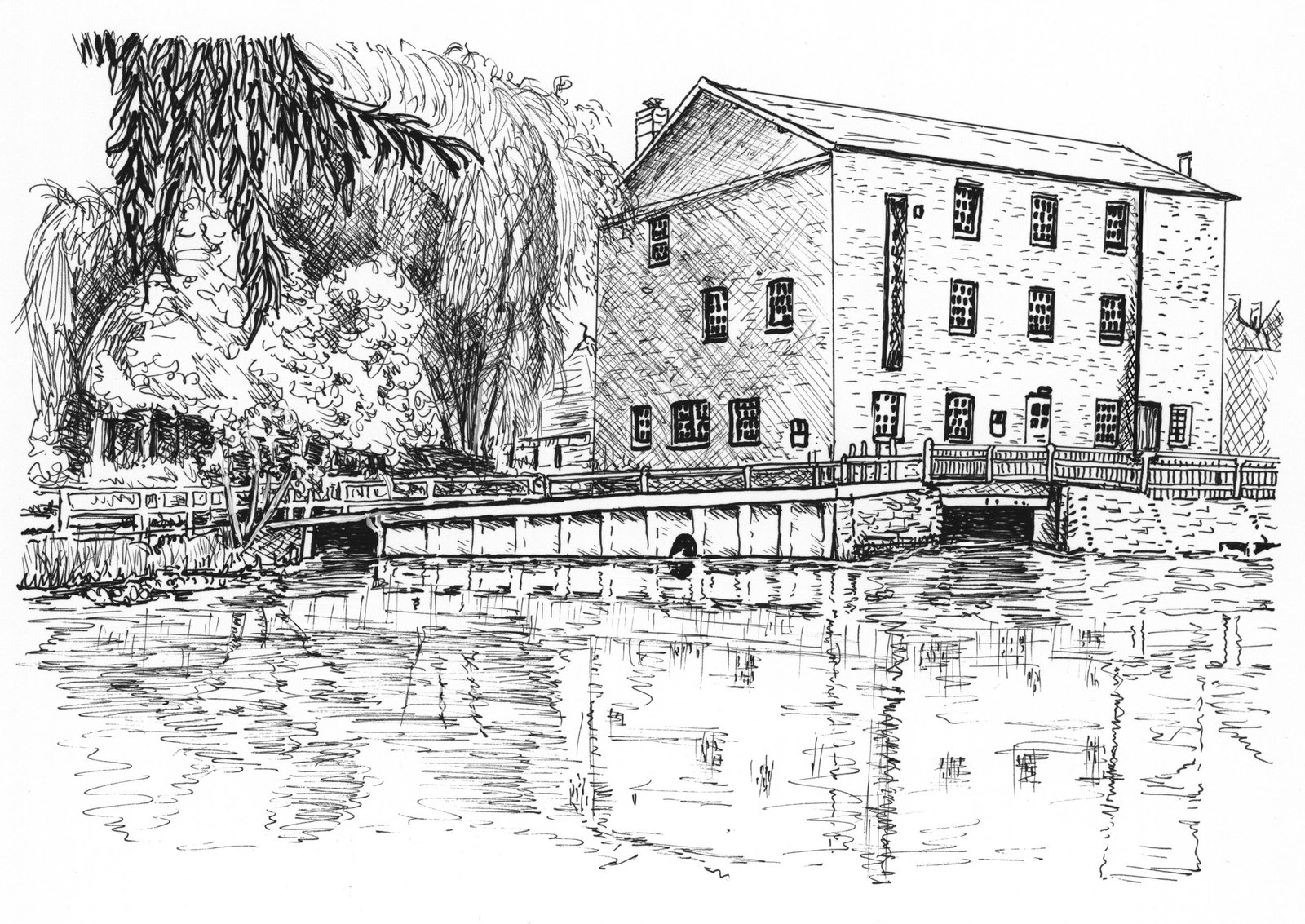
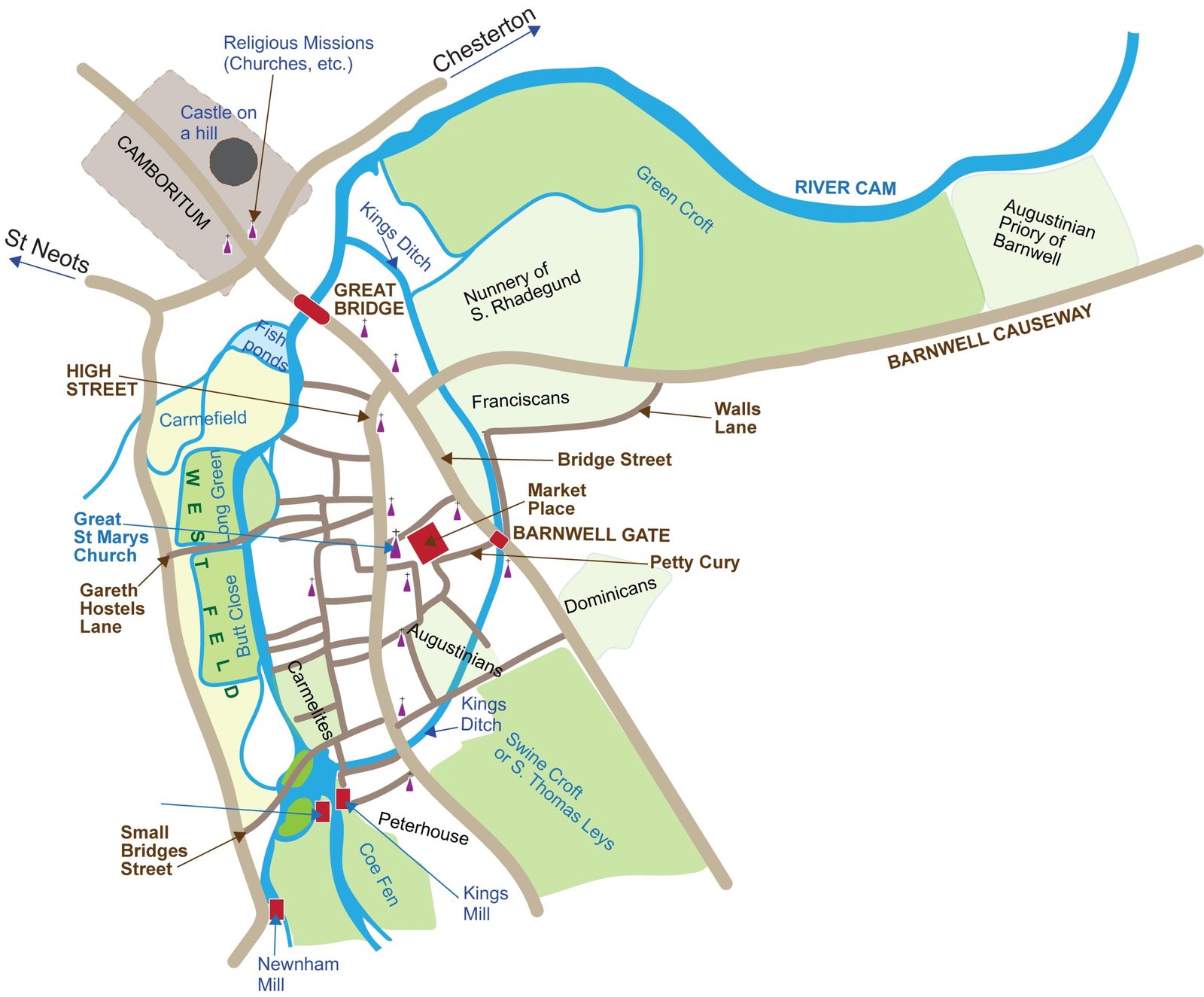
This booklet is about another riveting riverscape—remove the hills and magic of the River Brue (Somerset), add Denver Sluice and the Roman Lodes and the River Cam is just as riveting! Both rivers were major waterways for boat transport, and both had many water mills-most initially for milling grain into flour but later diversifying greatly when the workforce was considerably diminished by the Black Death which killed up to half the population in the 1340s.
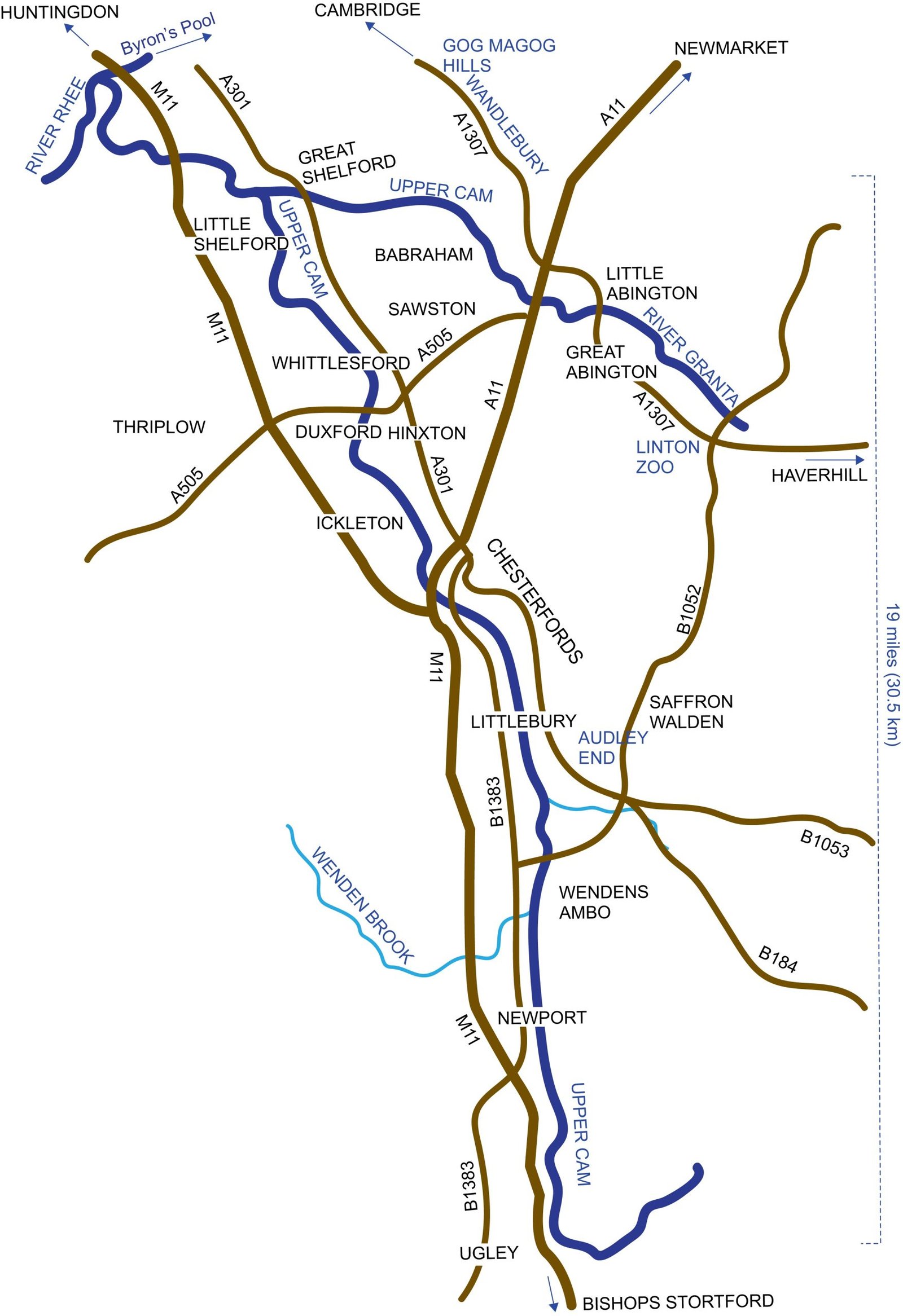
The River Cam drains a large area of the East Midlands much of which is food-producing, agricultural lowlands. The most southward stream rises only a few miles north of Stansted Airport. There are a surprising number of rivers with sources within about 8 miles of this airport. “Surprising” because the land is neither mountain, nor wetland, nor an area of many springs. Downstream of Cambridge the River Cam shortly flows into The Fenland where it stays for most of its journey to the sea at King’s Lynn, after joining the River Great Ouse at Pope’s Corner a few miles from Ely.
The Fenland is a former wetland, the soil being mostly fen peat which is dead, wet, plant material and grows under water. Because the water is mostly run-off from the agricultural lowland it is fairly high in nutrients with some chalk upstream, so is the peat. Fen peat thus differs from bog peat which is fed by nutrient/calcium-poor rain and is built up on land, not under water.
REVIEWS SENT TO THE AUTHORS:
Review of the whole series by Cam Valley Forum Committee, Cambridge:
“In order to bring a detailed understanding of the nature and problems of stream and rivers to a wider audience, Sylvia Haslam, doyenne of ecological studies of river environments and their vegetation, and author of a number of ground-breaking books on these topics, has teamed up with artist Tina Bone to produce a series of small A5 books that address individual topics or case studies. These concentrate on the vegetation of ditches, streams and rivers, as the essential indicators of their ecology and health. Despite their small format, these books are in no way designed for children, although a keen teenager with a hunger for natural history in the field could find much to learn from them. These books aim to produce a serious but accessible course in river management, not just for the keen naturalist, but also for the conservation volunteer, the farmer with watercourses on his land and even the professional land manager. The approach is very different from that of the popular, natural history books of Collins New Naturalist Series or Bloomsbury’s British Wildlife Collection. The emphasis here is on inspiring and encouraging people to go out specifically to study streams and rivers, to learn to identify aquatic plants and recognise them as indicators of different environments, vegetational communities and water conditions, also to recognise changes and threats to their local rivers and the appearance of introduced or invasive species, or even detect protected freshwater plants. The authors were motivated by the apparent absence of “‘easy-read’ books focusing on the river itself and the vegetation belonging to it, and creating the habitat for all else.” Each book has a super abundance of illustrations, some in colour, some in black and white. Their hallmarks are the artistic skill of Tina Bone, and the botanical expertise of Sylvia Haslam based on a lifelong career embracing many listed publications.” Cam Valley Forum, Cambridge.
Comments to Authors by purchasers:
“This series of books reminds me of a book I had as a young boy when I really liked fishing. It was called fishing with Mr Crabtree and it was beautifully illustrated and full of detail about Mr Crabtree and his favourite parts of the river and how we fished there, but again it was a book for the genuine enthusiast a real work of art. We really like the River Friend Series, and see them sitting well with enthusiasts of rivers of the outdoors and perhaps undergraduate level.” CH, Cambridge.
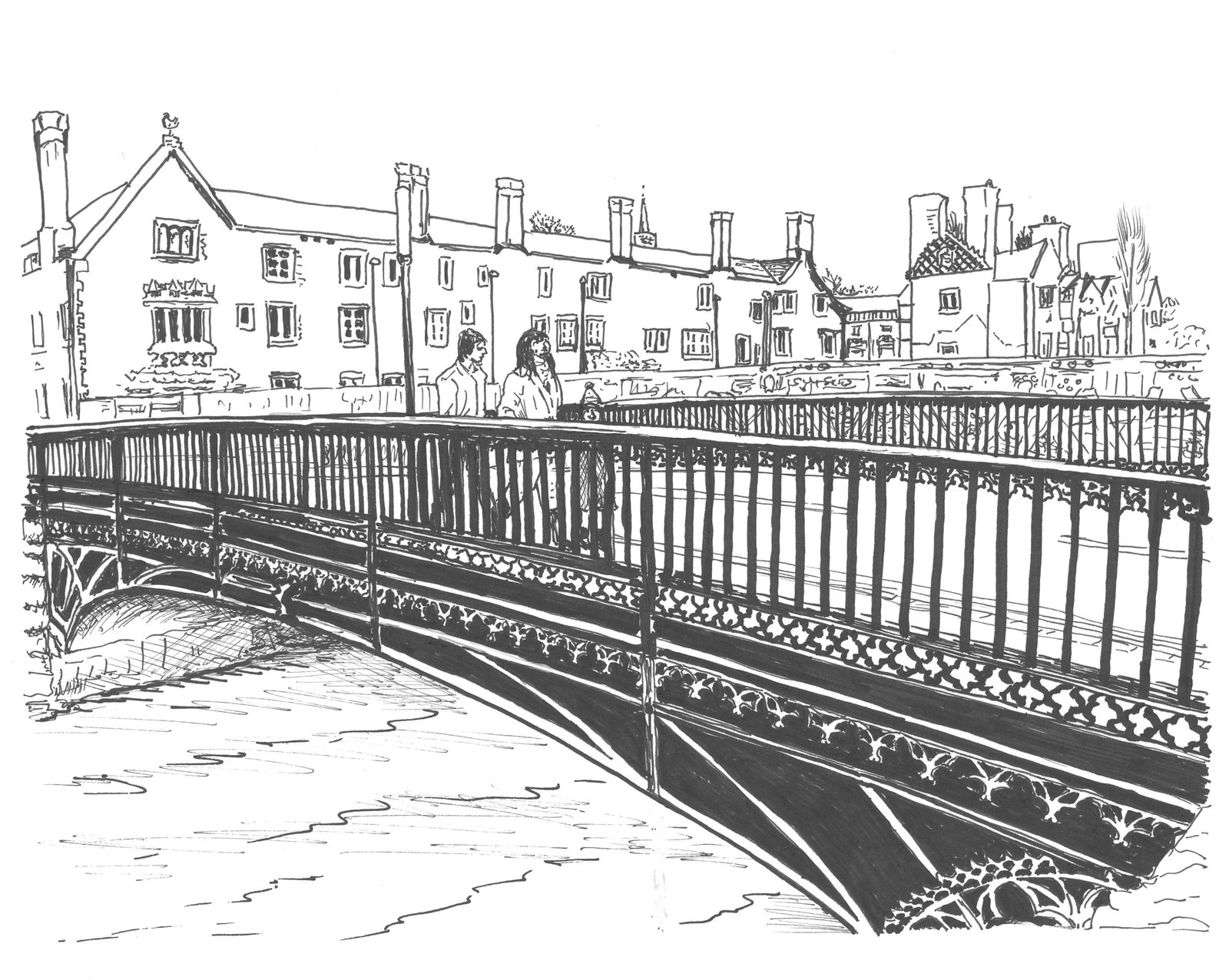
“It was a lovely read. The paintings and drawings certainly stand out beautifully and support the text well.” RH, Newmarket.
Keywords:
RFS9;CAMBRIDGE;BARRINGTON; CHALKSTREAM;CLEAN WATER;CUMULATIVE POLLUTION;FENLAND;PEAT;EAST ANGLIA;HABITAT;HARSTON;MILL STREAM; DENVER SLUICE; MOSSES; ROMAN LODES; NUTRIENTS; PLANT COMMUNITIES; WICKEN; POLLUTION; RANUNCULUS; RIVER; RIVER CAM; RIVER FRIEND; RIVER GREAT OUSE; RIVER LARK; RIVER MAPS; RIVER RHEE;RIVER STRUCTURE;RUN-OFF;POPES CORNER;ELY;LITTLEPORT;KINGS LYNN;RIVER TOWNS;STREAM;SYLVIA HASLAM;THATCH;TINA BONE;NAVIGATION;RECREATION;TRANSPORT;PONDS;BOURN BROOK;UPPER CAM;
CONTENTS
Introduction 1
Earthworks 11
The Fenland 16
The Main Streams of the Upper River Cam 19
Bourn Brook 20
River Rhee 22
Upper River Cam or River Granta—usually known now as the River Cam 29
Upstream of Cambridge 32
Cambridge 37
Place Names 48
River Settlements 49
Uses of rivers 53
Water 53
Fishing 53
Fish Ponds 54
Transport 54
Recreation 55
Legal Navigation 55
Water Fowl 56
Thatch 56
Local Enterprise 56
River towns 57
Lodes 61
Lodes villages 61
Lodes (Roman canals) 62
Vanishing Land 66
Two pollution stories 68
1. Upstream of Cambridge at Harston 68
2. The River Cam in Central Cambridge 68
Downstream of Cambridge
69 Ely
71 Littleport 74
King’s Lynn 75
Citations 82
List of Published Stand-alone Titles in the River Friend Series 83
About the Authors 83

Reviews
There are no reviews yet.